Affordable Web Design UK: 2026 Guide to Real Value

If you have searched for affordable web design UK in 2026, you have probably seen prices ranging from £69 to over £8,000 and wondered what on earth separates the two. You are not alone. Small business owners and sole traders across the country face the same dilemma: you know a professional website is essential, but you also need to keep costs under control. The problem is that most providers are not transparent about what their price actually includes, and the real costs often surface months after launch. This guide cuts through the noise. It explains exactly what different price points deliver, exposes the hidden costs most agencies prefer not to discuss, and gives you a practical framework for making a decision you will not regret.
Table of Contents
- What Does “Affordable Web Design” Actually Cost in the UK in 2026?
- The Hidden Costs of Cheap Web Design (What Providers Don’t Tell You)
- What You Actually Get at Different Price Points
- How to Compare Affordable Web Design Packages (The 5-Point Checklist)
- Affordable vs. Cheap: Why the Cheapest Option Often Costs You More
- Real-World Examples: What UK Businesses Are Paying in 2026
- Final Verdict: How to Choose the Right Affordable Web Design Package for Your Business
What Does “Affordable Web Design” Actually Cost in the UK in 2026?
The UK web design market has settled into four distinct tiers. At the bottom, DIY website builders like Wix and Squarespace charge between £12 and £40 per month, giving you full creative control but zero professional input. Budget agencies occupy the next rung, typically charging £500 to £1,500 for a template-based site built on WordPress. Freelancers span a wide range from £500 to £5,000 depending on experience and specialisation. Mid-range agencies start at £2,500 and can easily exceed £8,000 for bespoke builds with custom functionality.
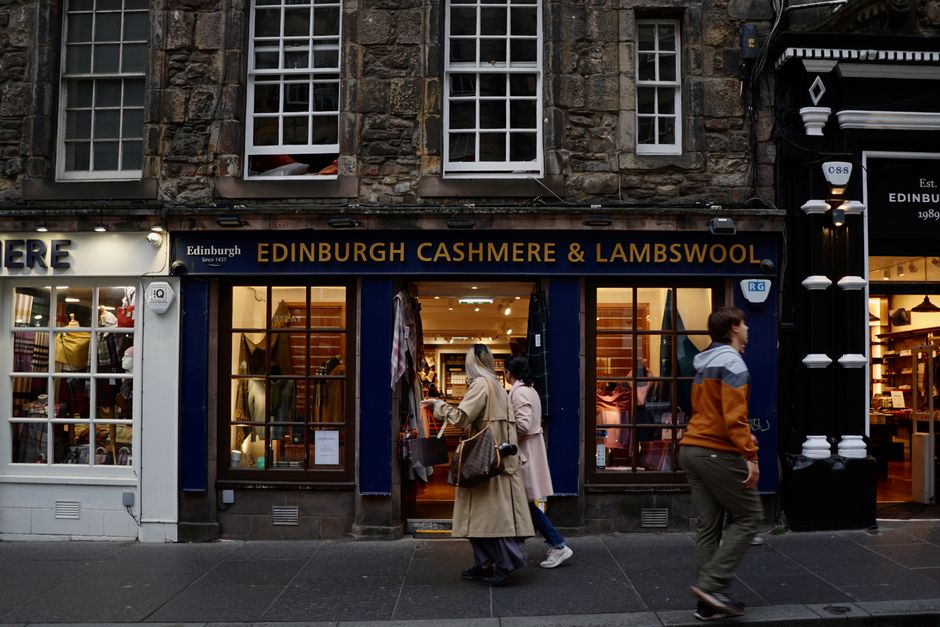
Photo by Tansholpan on Pexels
When you narrow the search to providers specifically targeting the “affordable” keyword, three anchor prices dominate the landscape. The first is £149 per year, a subscription model offered by The Affordable Web that bundles domain, hosting, unlimited email accounts, and basic SEO into a weekly cost of under £5. The second cluster sits at £299 to £399, with providers like Harris Digital and Cheap Web Design offering one-off builds with no recurring monthly fees. The third anchor is £995, where agencies like Bemunchie deliver semi-bespoke designs with more strategic input.
The cheapest upfront option uncovered in the current market is £74.99 for an 8-page website from Total Creation, a figure that sounds almost too good to be true. The catch is that domain registration, hosting, and ongoing support are typically unbundled from headline prices at this level. Several providers make a point of advertising “no monthly fees” as a selling point, but you must read the fine print to understand what support, if any, is included after your site goes live. The key takeaway is simple: if a price looks impossibly low, the missing cost is almost always your own time or a future maintenance bill you have not yet seen.
The Hidden Costs of Cheap Web Design (What Providers Don’t Tell You)
The most significant hidden cost is ongoing maintenance. Most budget builds do not include software updates, security patches, or backups after launch. If you want someone to keep your WordPress installation current and your site protected against vulnerabilities, expect to pay a care plan fee ranging from £40 to £150 per month. Over three years, that adds between £1,440 and £5,400 to your total cost of ownership, a figure rarely mentioned in the initial sales pitch.
Photo by David Munoz on Pexels
SEO limitations are another area where affordability meets reality. When a provider promises “basic SEO,” they almost always mean meta titles and descriptions have been added to your pages. That is the bare minimum. What you are not getting is keyword research, content strategy, technical SEO audits, Core Web Vitals optimisation, or local search schema markup. These are the activities that actually move the needle on Google rankings, and they require time and expertise that budget packages simply cannot fund.
Platform lock-in is a risk that few providers address openly. Some budget agencies use proprietary website builders or restrict your access to the backend. When you decide to move to a different provider, you may discover that your site cannot be exported, or that migrating it will cost hundreds of pounds in developer time. Accessibility compliance is another near-universal blind spot. Almost no budget provider mentions WCAG standards, yet UK businesses face growing legal expectations to make their websites usable by people with disabilities. Finally, cheap hosting often means slow page speeds and no uptime guarantee, both of which directly harm your search rankings and user experience.
What You Actually Get at Different Price Points
Under £300 – The “Entry-Level” Build
At this price point, you are buying a template-based site built on WordPress or a drag-and-drop builder. The package will typically include domain registration, shared hosting, an SSL certificate, and between one and five email accounts bundled into the headline price. Customisation is limited to swapping in your logo, brand colours, and business information into a pre-set theme. You will not get unique layouts or tailored functionality. This tier works best for sole traders, freelancers, or anyone who simply needs a one-page digital business card that confirms your legitimacy when potential customers search for you online. It is functional rather than impressive, but for many micro-businesses, functional is enough.
£300 to £1,000 – The “Small Business Sweet Spot”
This is where the value proposition strengthens considerably. You get more design flexibility, typically a customised premium theme with five to ten pages structured around your specific services. Mobile responsiveness is standard, and most providers include basic SEO setup such as meta tags and Google Business Profile integration. Some operators at this level offer genuinely attractive terms: The Affordable Web’s £149 per year subscription includes unlimited design changes and unlimited email accounts, making it a strong contender for businesses that expect to evolve their online presence over time. This tier is ideal for local service businesses like plumbers, hairdressers, cafés, and independent tradespeople who need a brochure-style site with contact forms, service pages, and a clear route for customer enquiries.
£1,000 to £2,500 – The “Bespoke Lite” Tier
Moving into four figures changes the nature of what you are buying. Rather than adapting a pre-made theme, the designer builds a unique layout on a framework like Genesis or a custom WordPress structure. You receive input on content strategy, often including copywriting support to ensure your messaging is coherent and persuasive. The SEO work becomes more substantive, covering keyword targeting, site architecture, and image optimisation. Most providers at this level include a maintenance period of three to six months after launch, giving you a buffer to identify issues without incurring additional costs. This tier suits growing businesses that have moved beyond the startup phase and need to differentiate themselves from competitors who may be using the same off-the-shelf templates.
How to Compare Affordable Web Design Packages (The 5-Point Checklist)
First, pin down exactly what is included in the quoted price. Domain registration, hosting, SSL certificates, email accounts, and the number of pages are frequently unbundled from the headline figure. A £299 quote that excludes hosting and domain is functionally more expensive than a £399 quote that includes both for the first year. Ask for an itemised list.
Second, establish who owns the website. You must own your domain name outright and have full administrative access to the content management system, which in most cases will be WordPress. If the provider registers the domain in their own name or restricts your backend access, you are building your business presence on land you do not own.
Third, clarify what happens after launch. Ask about support hours, guaranteed response times, and whether software updates are included or charged separately. A provider who cannot give you a straight answer to these questions is one you should avoid.
Fourth, demand specifics on SEO. “SEO-friendly” is a meaningless phrase. Request a written list of the exact SEO tasks included: keyword research, on-page optimisation, image compression, schema markup, XML sitemap submission, and Google Search Console setup. If the provider cannot produce this list, SEO is not genuinely included.
Fifth, ask to see a live example of a site they have built for a business in your industry. A generic portfolio page proves nothing. A real site that has been live for at least six months tells you about build quality, page speed, and whether the design has held up over time.
Affordable vs. Cheap: Why the Cheapest Option Often Costs You More
The distinction between affordable and cheap matters enormously in web design. The cheapest upfront options, those clustered around £69 to £149, typically rely on mass-produced templates with minimal customisation. Your site may end up looking nearly identical to a competitor’s, undermining the very professionalism you are trying to project. Subscription models like the £149 per year offering can represent excellent long-term value if you plan to stay with the provider indefinitely, but you must check the exit terms carefully. Some subscription agreements make it difficult or expensive to take your site elsewhere.
Offers of “unlimited redesigns” at rock-bottom prices sound generous on paper, but the reality often involves slow turnaround times and inconsistent quality. A provider charging £74.99 for an 8-page site with unlimited redesigns is almost certainly outsourcing the work to the lowest bidder and cutting corners on quality control. A £299 site that performs reliably for three years delivers far better value than a £149 site that needs replacing within twelve months. When calculating the true cost, budget for the initial build plus at least twelve months of maintenance, hosting, and any SEO work you will need to remain visible in search results.
Real-World Examples: What UK Businesses Are Paying in 2026
The £149 per year model from The Affordable Web stands out as the most unusual pricing structure in the market. It includes a domain name, unlimited content changes, unlimited email accounts, and basic SEO, all positioned as costing less than £5 per week. This approach suits micro-businesses with stable, long-term needs and low expectations of switching providers.
Harris Digital, operating since 2001, offers designs from £299 with a genuine “no monthly fees” guarantee and support included seven days a week. The majority of their portfolio sites have been built for under £300, making them one of the more established players at this price point. Cheap Web Design, starting at £399 plus VAT, claims a 4.9 out of 5 rating from over 3,000 clients, a volume of social proof that few competitors can match. Their offering is template-based but backed by substantial experience.
At the higher end of the affordable spectrum, Bemunchie and Pixelish start at £995 for semi-bespoke designs with more strategic input. These packages suit businesses planning to scale and those who view their website as a revenue-generating asset rather than a cost to be minimised. One notable finding during research for this guide: the provider cheapwebsitedesigner.co.uk was inaccessible due to a server error. This is a small but telling reminder that the absolute cheapest option on the market may not be the most reliable.
Final Verdict: How to Choose the Right Affordable Web Design Package for Your Business
If your budget is firmly under £300 and you need a simple online presence to establish legitimacy, go with a reputable budget agency that includes hosting and support in the price. Look for providers with verifiable portfolios and clear terms of service. For most small businesses, the £300 to £1,000 range represents the best balance of cost and quality. A customised template build with basic SEO, mobile responsiveness, and transparent post-launch support will serve you well for years.
If your plans include e-commerce or advanced functionality like booking systems or membership areas, expect to pay at least £1,500 and seek out agencies that specialise in WooCommerce or Shopify builds. The complexity of product management, payment processing, and security means this is not an area where cutting corners pays off. Whatever your budget, always request a contract that explicitly states you own the domain name and all site content, and ask for a clear migration path should you ever decide to leave.
Affordable web design UK in 2026 is fundamentally about transparency, not just price. The best deal is not the cheapest quote. It is the one where you know exactly what you are getting, what you are not getting, and what your total cost of ownership will look like two or three years down the line. Choose the provider who answers your questions directly, shows you real examples, and treats your website as the business asset it is.